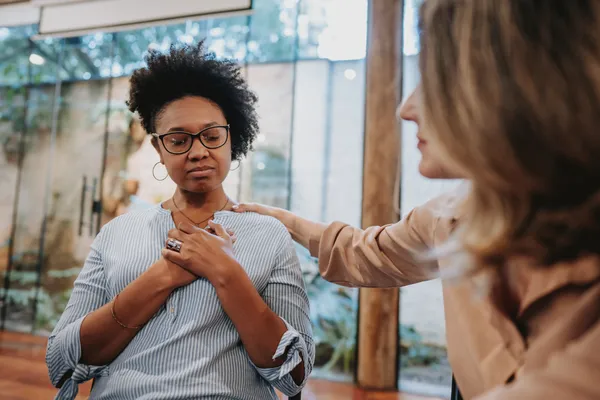
Identifying Emotional Wounds: A Path to Healing
Identifying Emotional Wounds
Do you ever notice why certain situations trigger strong emotional reactions or why it becomes difficult to trust, communicate, or maintain healthy relationships even when you want to? These responses are often not random but connected to unresolved emotional wounds that shape thoughts, behaviors, and emotional patterns over time.
In this blog we will explore the impact of emotional wounds on relationships and personal growth, and how they influence daily life, communication, self perception, and long term relationship patterns along with the importance of awareness in healing.
What Are Emotional Wounds?
Emotional wounds are the inner pain and hurt that a person carries from difficult life experiences. These experiences can come from childhood, relationships, loss, rejection, betrayal, or neglect. Even when the situation is over, the emotional impact can stay inside a person and affect how they think, feel, and behave in daily life.
These wounds are not always visible, but they strongly influence a person’s emotions and actions. They can shape how someone trusts others, handles relationships, and sees their own self worth. If not understood and healed, they can continue to affect life in many hidden ways.
Impact of Emotional Wounds on Relationships and Personal Growth
Emotional wounds can strongly affect relationships because they change the way a person thinks, feels, and reacts. A person may find it hard to trust others or feel safe in close relationships. Small issues can also feel very big because of past pain.
These wounds can also create problems in communication. A person may stay quiet, overthink, or react with strong emotions even in simple situations. This can lead to misunderstandings and distance between people in relationships.
On a personal level, emotional wounds can stop growth and confidence. A person may doubt themselves, feel unworthy, or repeat the same unhealthy patterns again and again. This can make it difficult to move forward in life with peace and clarity.
Healing Emotional Wounds for Healthier Relationships
A simple path to understand, heal, and release emotional pain to build healthier and more peaceful relationships.
1. Emotional Pattern Mapping:
Emotional pattern mapping means you start noticing how you usually react in different emotional situations. You pay attention to the feelings and behaviors that repeat again and again in your life. Over time, you begin to understand that these reactions are connected to your past experiences.
When you use emotional pattern mapping, you try to find where these feelings first started in your life. You may notice that your fear of rejection comes from childhood or past relationships. In daily life, you might see that you get very upset when someone ignores you because it reminds you of old emotional pain.
2. Inner Dialogue Healing:
Inner dialogue healing means you begin to notice the thoughts that run in your mind throughout the day. You observe whether your inner voice is supportive or often full of self judgment. This awareness helps you understand how your thinking style affects your emotions and confidence.
Instead of thinking you always make mistakes, you start reminding yourself that you are learning and improving. For example, if you fail at something, you begin to say to yourself that it is okay and you can try again instead of blaming yourself.
3. Trigger Pause Technique:
You stop for a moment when something emotionally affects you. Instead of reacting immediately, you give yourself a short pause to calm your mind. This helps you avoid saying or doing something in anger or hurt.
In that moment, space is created between what you feel and how you respond. Your mind gets time to settle so you can think in a clearer way. For example, if someone says something upsetting, you take a breath and wait before replying so your response becomes more calm and controlled.
4. Perspective Reset Practice:
You try to look at a painful situation in a calm and neutral way. Instead of seeing it only through hurt or anger, you step back in your mind and observe it more clearly. This helps reduce strong emotional reactions.
Your mind stops focusing only on pain and starts seeing the bigger picture. For example, if someone behaves rudely, you may think they could be stressed or going through something, which helps you feel less affected and more balanced.
5. Relationship Mirror Awareness:
You start noticing how your reactions in relationships show what is going on inside you. The way you respond to others often reflects your inner fears, beliefs, and past emotional experiences. This helps you understand yourself more deeply through your relationships.
Your reactions in daily interactions can reveal hidden emotions that you may not notice directly. If you feel very insecure when someone becomes distant, it may be connected to past fear of abandonment.
6. Emotional Release Rituals:
Emotional release rituals are simple ways of letting out the emotions stored inside you instead of holding them in. It is about giving space to your feelings so they do not build up and affect your mind and relationships.
Your emotions can be released through quiet reflection, writing your thoughts, or spending time in silence to understand what you are feeling. You may notice that after writing your thoughts or sitting calmly with yourself, your mind feels more relaxed.
Conclusion
Identifying and understanding emotional wounds is an important step toward healing and building healthier relationships. When you become aware of your emotional triggers, patterns, and inner thoughts, you start to understand yourself in a deeper way and respond to situations more calmly instead of reacting from past pain.
With regular self reflection and emotional healing practices, you can slowly release emotional burden and improve your communication and relationships. This journey helps you move toward a more peaceful, confident, and emotionally balanced life.
FAQs
1. Can emotional wounds exist even if my life looks normal from outside?
Yes, emotional wounds can exist quietly even when everything seems fine externally. Many people function well in daily life but still carry inner emotional pain.
2. Are emotional wounds always caused by big traumatic events?
No, even small repeated experiences like neglect, criticism, or feeling unheard can create deep emotional wounds over time.
3. Can emotional wounds change my personality over time?
Yes, unhealed emotional pain can influence behavior, confidence, and the way you interact with others.
